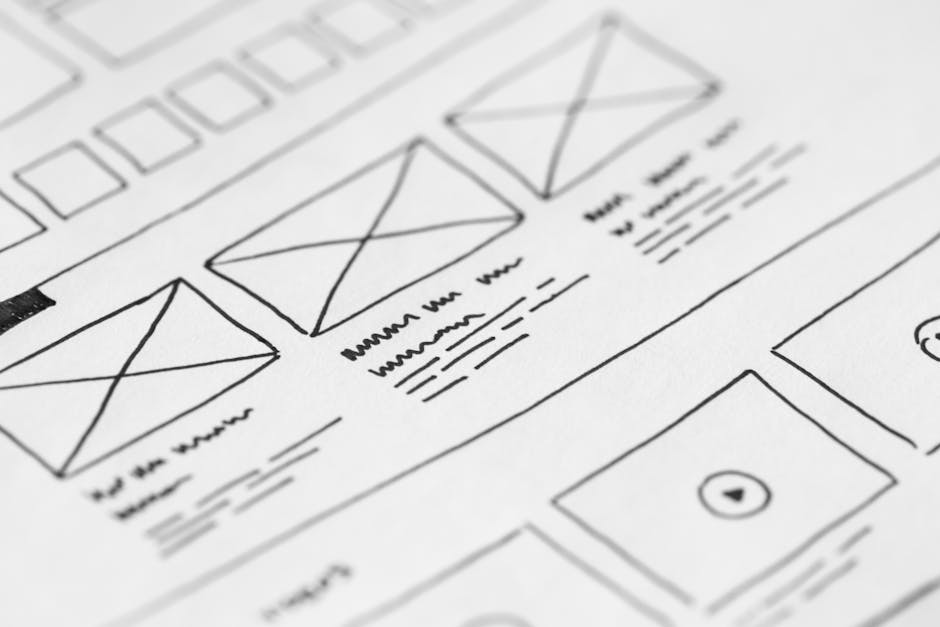
In an era where digital clutter is omnipresent, the minimalist web concept is increasingly becoming a favored approach among web designers and businesses. The simplicity, elegance, and clarity it brings forward are reshaping how websites communicate with their audiences. Let's explore why minimalist web design is revolutionizing the digital world.
What is the Minimalist Web Concept?
Minimalism in web design is about distilling a website's elements to only the necessities, forcing every component to justify its existence. This concept hinges on a 'less is more' philosophy, emphasizing clean layouts, ample white space, and carefully chosen visual elements. A minimalist website prioritizes user experience by promoting seamless navigation and rapid load times.
The Elegance of Simplicity
The primary allure of the minimalist web concept is its simplicity. Eliminating unnecessary features allows users to focus on the core content without distractions. This not only enhances readability but also ensures that the message a brand intends to communicate is conveyed clearly and effectively.
Enhancing User Experience
A minimalist web design enhances user experience by optimizing the website’s functionality. By stripping down complexities, it ensures that users can navigate easily, leading to longer site visits and a reduction in bounce rates. Simplistic designs often mean faster loading times, a critical factor for improving user satisfaction and search engine rankings.
Visual Appeal
Incorporating minimalism in web design does not mean a lack of aesthetic appeal. Instead, it leverages clean lines, balanced layouts, and strategic use of color to create visually engaging interfaces. Minimalist designs can be incredibly powerful in crafting a brand's identity and leave a lasting impression on visitors.
Responsive Design Compatibility
With the growing variety of devices used to access the internet, responsiveness is critical. Minimalist websites are inherently more adaptable to different screen sizes and display resolutions. Their reduced complexity allows for more straightforward adjustments and ensures consistent performance across desktops, tablets, and smartphones.
SEO Benefits
From an SEO perspective, minimalist web designs can offer significant advantages. By prioritizing clean code and fast loading times, these websites often see better performance in search engine rankings. In addition, minimalist websites are less prone to technical issues, which can adversely affect SEO efforts. Well-organized, streamlined content improves search engine crawling and indexing, further enhancing visibility.
Timelessness
Design trends come and go, but minimalism remains largely unaffected by fleeting fads. The minimalist approach results in websites that sustain longevity without frequent redesigns. Their timeless nature means businesses can avoid regular updates to stay current, focusing instead on content and functionality.
Cost-Effective Solutions
Implementing a minimalist web design can often be more cost-effective in the long run. The development process is typically faster and requires fewer resources. Additionally, minimalist websites require less maintenance, reducing the need for expensive updates or redesigns.
Conclusion
The minimalist web concept is a powerful tool for digital transformation. It combines aesthetics and functionality in a way that attracts users and enhances their experience. As businesses continue to evolve in a digital-first economy, embracing minimalist web design could well be the key to standing out in an overcrowded market. Whether through improved user experience, better SEO performance, or cost efficiency, the benefits of minimalism in web design are clear, making it a smart choice for any forward-thinking digital strategy.
Leave a Reply