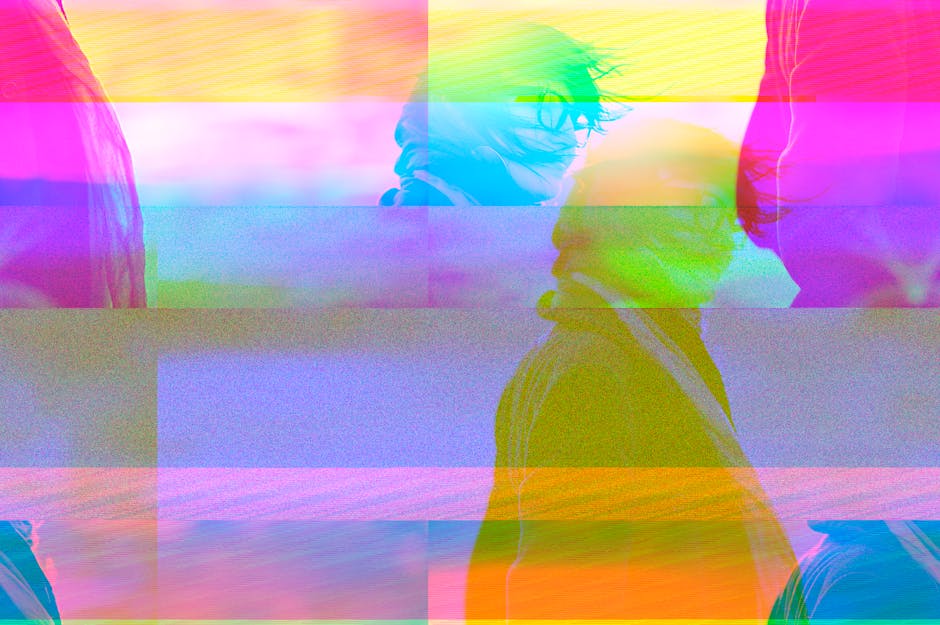
In the digital age, art has transcended traditional mediums and spaces, finding an innovative and ever-evolving home on the internet. Experimental internet art is at the forefront of this transformation, offering groundbreaking ways to experience creativity in a digital realm. But what exactly is experimental internet art, and why should we pay attention to this emerging form of expression?
Defining Experimental Internet Art
Experimental internet art refers to creative works produced specifically for the web using digital tools and platforms. Unlike conventional art forms, it challenges the viewer's perception by utilizing coding, interactive interfaces, and multimedia elements to engage audiences in a participatory experience. Artists push technological and creative boundaries, often encouraging viewers to question the nature of art itself.
This genre of art is characterized by its dynamic nature, fluidity, and ability to transform—qualities that resonate with our digitalized, interconnected world. It constantly evolves with technological advancements, making it excitingly unpredictable and refreshing.
Historical Context and Evolution
The origins of experimental internet art can be traced back to the late 20th century, emerging as a fringe movement during the dot-com boom. Artists began to harness the potential of the web as a platform, both for creating and distributing art independently from traditional galleries and art institutions.
Over time, as internet accessibility expanded and digital tools evolved, experimental internet art broadened its scope. Projects now span a wide range of forms, from interactive websites and virtual reality installations to social media performances and online video art. Artists have capitalized on the immediacy and availability of the internet to reach global audiences instantaneously.
Key Characteristics of Experimental Internet Art
To better appreciate experimental internet art, understanding its primary characteristics is essential:
1. **Interactivity**: Many works are designed to be interactive, inviting audience participation to complete the artwork. This could be through clicks, movements, or digital inputs that change the piece in real time.
2. **Ephemerality**: Just as the internet is constantly updating, experimental internet art often has a transient quality. The experience might vary from visitor to visitor, evolving as different pieces of data are incorporated into the work.
3. **Collaboration**: Internet art frequently breaks down barriers, allowing artists to collaborate across disciplines and distances. This can result in hybrid works that blend sound, visual art, and performance.
4. **Commentary on Technology and Society**: Many artists use their work to critique or reflect upon contemporary issues such as digital surveillance, information overload, and the virtual nature of identity.
Notable Artists and Works
Several pioneering artists have gained recognition for their contribution to experimental internet art. Rafael Lozano-Hemmer, known for his large-scale interactive installations, and Eva and Franco Mattes, celebrated for their provocative internet-based projects, are among the prominent figures shaping the landscape.
Works like "My Boyfriend Came Back from the War" by Olia Lialina, which plays with narrative through hyperlinked text, and JODI's "My%Desktop," a chaotic take on familiar digital interfaces, have become iconic examples of this genre, challenging the audience's perception of art and technology.
The Impact and Significance
Experimental internet art is significant not merely for its aesthetic qualities but also for its ability to democratize art consumption and production. By making art more accessible and engaging, it encourages a broader audience to interact with and appreciate creative endeavors.
Moreover, it fosters a cultural exchange, transcending traditional boundaries of geography and language. As a result, artists can engage with themes and ideas that resonate on a global scale, amplifying their impact.
Conclusion
In the pulsating world of the internet, experimental internet art stands as a testament to human creativity's adaptability and resilience. As technology continues to evolve, so will this form of art, continually challenging conventions and offering new vantage points from which to view our world. For those eager to explore the intersection of technology and creativity, experimental internet art offers an intriguing domain that is both thought-provoking and inspiring.
Leave a Reply