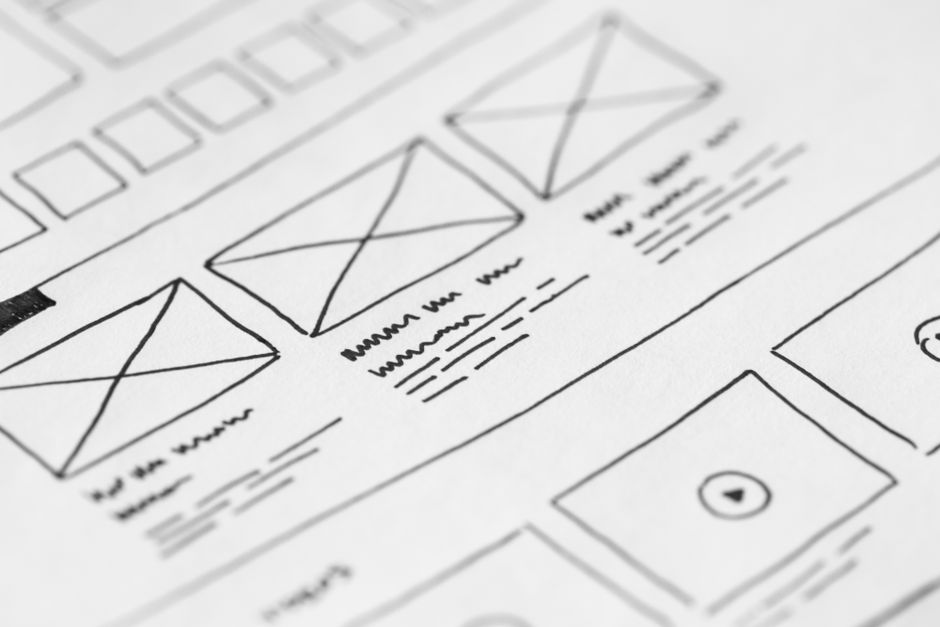
As technology advances and online users' attention spans decrease, the minimalist web concept has grown in popularity as a powerful approach to digital design. This method, emphasizing simplicity and essential elements, enhances user experience and streamlines site navigation while creating a visually appealing and effective web presence.
Understanding the Minimalist Web Concept
The minimalist web concept takes inspiration from various design disciplines that prioritize simplicity, efficiency, and clarity. It intentionally limits elements to the most essential components, removing any superfluous elements, which can lead to distraction or confusion. The idea is that by reducing clutter, the core message or function of a website becomes more apparent and effective.
Principles of Minimalist Web Design
One of the fundamental principles of minimalist web design is the use of white space, also known as negative space. This refers to the empty areas between elements on a page. White space aids in providing a clear, focused experience for users by reducing visual noise and allowing them to intuitively navigate the content. It can lead to a more sophisticated look, often found in high-end brand websites.
Typography also plays a critical role in minimalist web design. Choosing the right fonts determines the tone and readability of the content. Designers typically opt for clean, sans-serif fonts that complement the minimalist aesthetic, ensuring that text remains legible across various devices.
Color schemes contribute significantly to minimalist design. A restricted color palette, usually made up of neutral or monochromatic tones, can enhance the clean and organized feel of a website. Highlight colors can be used sparingly to draw attention to key areas, aiding in guiding user interactions.
Advantages of Minimalist Web Design
A minimalist approach offers numerous advantages, both for users and website owners. Sites designed with minimalism in mind tend to load faster because they avoid heavy use of images or complex scripts that can slow down performance. This leads to enhanced user experience and can positively impact search engine optimization, as page speed is a critical ranking factor for search engines like Google.
Furthermore, minimalist designs are known for their timeless appeal. They avoid trends that can become outdated quickly, ensuring that a website maintains an elegant and modern appearance over time. This aesthetic longevity means minimal redesign work is needed, saving both time and resources.
Additionally, a minimalist design approach can improve accessibility. By stripping down a site to its essentials, designers can more easily adhere to accessibility standards, providing equal access to content for all users, including those with disabilities.
Challenges in Implementing Minimalism
While adopting a minimalist web design has clear benefits, it does pose some challenges. Striking the right balance between simplicity and functionality requires careful consideration. Too few elements can lead to a lack of engagement or confusion about how to interact with the site, while too many elements can negate the benefits of minimalism.
Content prioritization is also a significant challenge. Designers and content creators must discern what information is most vital to users and how best to present it. This often involves a deep understanding of the audience and strategic decision-making to ensure that essential content is highlighted effectively without unnecessary embellishments.
Conclusion: Embracing Minimalism in Web Design
The minimalist web design concept is not just about creating a clean visual aesthetic but about enhancing the user experience, improving performance, and ensuring a website's long-term relevance. By focusing on the essentials, websites can offer clearer communication, faster load times, and a timeless, elegant design. Although challenging to execute perfectly, the benefits of embracing minimalism in web design are manifold, offering both aesthetic and practical gains for users and developers alike. As digital landscapes continue to evolve, the minimalist approach stands as a testament to the enduring principle that less truly can be more.
Leave a Reply