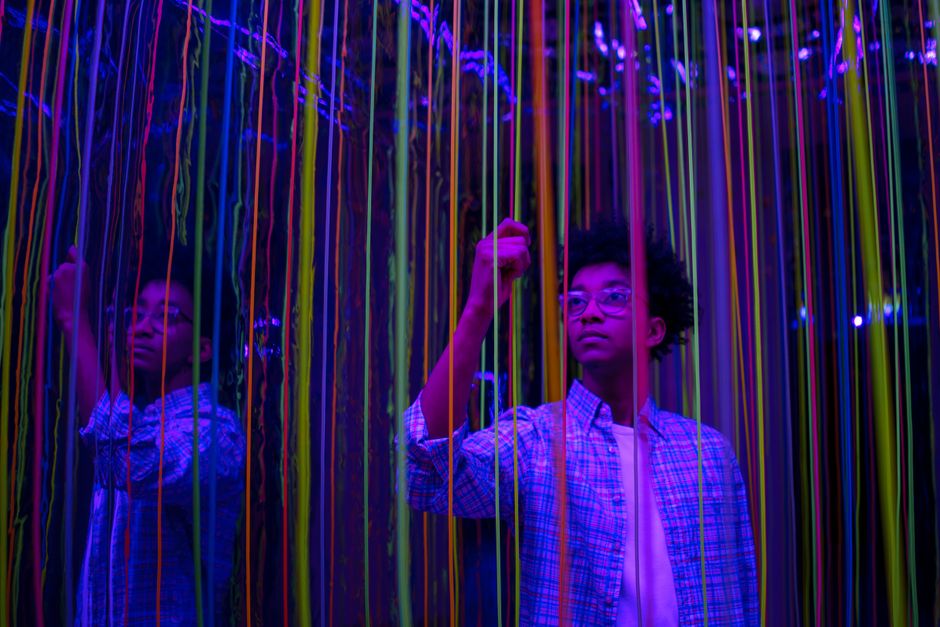
In an age where technology constantly redefines our interactions and experiences, the world of art is no exception. Digital creative installations have emerged as a captivating medium that merges technology with artistry, offering audiences an immersive experience that traditional forms struggle to match. From transforming public spaces to enriching art galleries and museums, these installations are not only reshaping our aesthetic encounters but also challenging our perceptions of art itself.
Understanding Digital Creative Installations
Digital creative installations are artistic creations that integrate various digital technologies to produce interactive and immersive experiences. Leveraging tools such as projection mapping, virtual reality (VR), augmented reality (AR), and artificial intelligence (AI), these installations engage audiences by inviting them to become part of the artwork. These technologically-driven exhibits are often expansive, transforming the way people perceive an environment and interact with the art, prompting new dialogues about the role of technology in artistic expression.
The Technology Behind Transformative Experiences
The magic of digital installations lies in their ability to combine multiple technologies in an interactive symphony. Projection mapping, for instance, allows artists to project images and videos on uneven or three-dimensional surfaces, turning any physical object into a dynamic piece of art. Meanwhile, AR and VR offer participants immersive journeys into alternate realities, encouraging them to engage with digital elements overlaid on their actual surroundings or within fully virtual environments. AI further contributes by enabling responsive and adaptive installations that change in real-time based on audience interactions.
The Impact on Public Spaces
Digital creative installations have found a prominent place in public spaces, reviving interest in urban areas and contributing to cultural and social engagement. Through large-scale digital art, cityscapes can be transformed into vibrant exhibitions that invite widespread public interaction. These installations can revitalize communities, encouraging tourism and providing both locals and visitors with an extraordinary sensory experience. The allure of walking through a city square that reacts to your movements or being enveloped in an animated digital wonderland provides a merger of art and environment that is nothing short of enchanting.
Enhancing Museum and Gallery Experiences
Inside museums and art galleries, digital installations have introduced a new dimension to appreciating art. Institutions are increasingly experimenting with these technologies to bring exhibits to life. Unlike static displays, digital installations can narrate stories, share interactive experiences, or provide deeper insights into the art. This dynamic element attracts a wider and more varied audience, making art accessible and engaging, especially for those who might otherwise find traditional artwork inaccessible. As a result, museums and galleries can modernize their collections, appealing to tech-savvy visitors and facilitating a contemporary dialogue around art.
Challenges and Considerations
While digital creative installations are reshaping art, they also pose unique challenges. Creating such installations requires significant technological investment and expertise, presenting barriers to entry for artists and institutions. Additionally, the temporary nature of many installations raises questions about their longevity and conservation. Artists and curators must navigate these hurdles while ensuring that their work remains accessible and retains its intended emotional and conceptual impact.
Conclusion: A Seamless Blend of Technology and Art
Digital creative installations stand at the forefront of contemporary art, marrying technology's limitless potential with the boundless imagination of artists. As they continue to inspire and engage audiences worldwide, these installations challenge us to reconsider our relationship with art, technology, and the spaces we inhabit. By embracing digital creativity, we open the door to new possibilities, redefining what it means to experience and interact with art in the modern age. In this dance of pixels and perception, digital creative installations illuminate a promising path for the future of artistic expression.
Leave a Reply