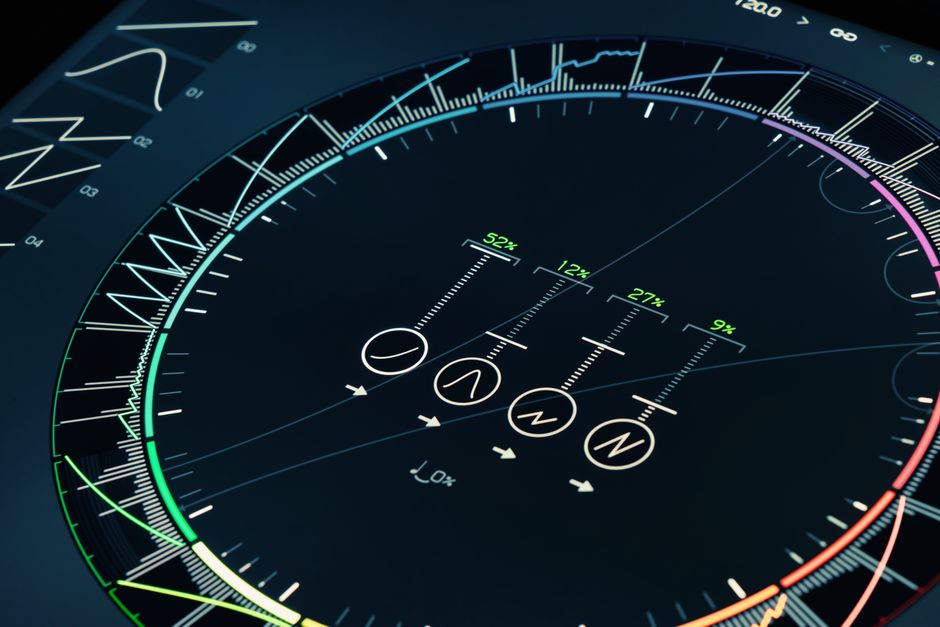
In an age where digital technology permeates every inch of our lives, the interface between modern art and technology is fertile ground for innovation. The modern art interface embodies this synergy, reshaping how we create, experience, and interact with art. This article delves into the dynamic world of modern art interfaces, unraveling the layers of transformation, influence, and future possibilities.
The Evolution of Art through Digital Interfaces
The proliferation of digital technologies has dramatically shifted the creation and consumption of art. Traditional mediums have embraced digital tools, leading to an explosion of possibilities that were once beyond imagination. Digital interfaces facilitate this evolution, offering platforms where artists experiment and audiences engage in novel ways. This transformation is not just about accessibility; it’s reshaping the fundamental essence of art itself.
Art is no longer confined to physical galleries. With the power of digital interfaces, virtual galleries and interactive installations transcend geographical boundaries, offering global accessibility. Platforms like VR headsets and augmented reality (AR) applications are crafting immersive experiences, allowing users to step inside masterpieces and engage with them in ways previously relegated to science fiction.
The Role of Technology in Modern Art
Technology serves as both a tool and a canvas for artists in the digital age. Software such as Adobe Creative Suite, 3D modeling tools, and even AI-driven platforms give artists a new palette for expression. These interfaces enable hyper-realistic creations, algorithmic art, and generative designs that push the limits of traditional confines.
AI, in particular, brings a fresh dimension to modern art, where machines become collaborative partners in creation. This partnership generates questions about authorship and originality, challenging traditional notions and sparking vibrant discussions within the art world. Consequently, this symbiotic relationship between technology and art prompts a redefinition of creativity itself.
Interactivity and Audience Engagement
Modern art interfaces are not merely about the artist's creativity but also about the viewer's interaction. Interactive installations invite audiences to become participants rather than passive observers. This shift is exemplified in exhibits where sensors and responsive tech create personalized experiences unique to each viewer. Museums and galleries now leverage digital tools to transform audio guides into interactive apps, enriching the visitor experience with layers of multimedia content.
The impact of this interactivity is profound, fostering deeper connections and engagements. By allowing audiences to manipulate, alter, or respond to artworks, modern art interfaces facilitate a two-way dialogue where the viewers' perspectives and interactions contribute to the ongoing narrative of the piece.
Challenges and Opportunities
While the rise of modern art interfaces presents exciting opportunities, it also brings challenges that must be navigated carefully. The democratization of art through digital platforms raises concerns about accessibility and digital divides, where unequal access to technology might exclude certain groups. Moreover, the reliance on digital interfaces poses questions about the preservation and longevity of digital art in a rapidly evolving technological landscape.
However, these challenges concurrently present opportunities for innovation. Developing robust frameworks ensuring inclusivity and sustainability can reinforce the positive impact of modern art interfaces. By embracing a future-forward approach, artists, technologists, and cultural institutions can harness digital tools to make art more inclusive, dynamic, and enduring.
Conclusion: A New Era for Art
The fusion of modern art and digital interfaces heralds a new era, rich with potential and innovation. This intersection redefines not just how art is created and consumed but how it’s experienced and valued. As these interfaces continue to evolve, they promise to dismantle traditional barriers, crafting a vibrant future where creativity knows no bounds. Whether through immersive virtual realities, AI collaborations, or interactive experiences, modern art interfaces indeed mark a transformative journey that reshapes the cultural landscape, offering endless possibilities for creators and admirers alike.
Leave a Reply