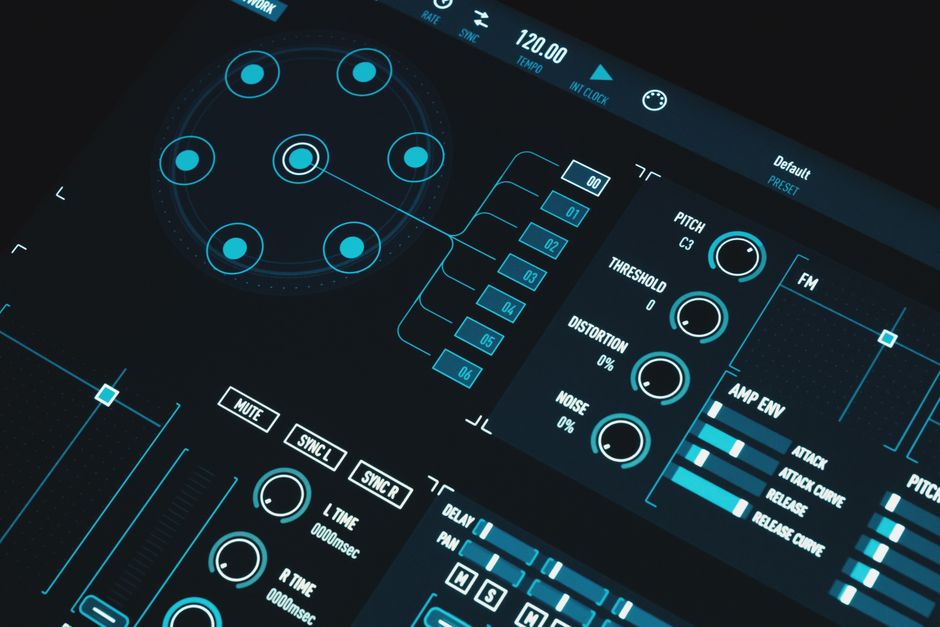
As we stand on the brink of a new digital era, futuristic web design is not just about aesthetics; it's about creating an experience that resonates with the ever-evolving needs of users. The future of web design will involve incorporating cutting-edge technologies, embracing minimalism, and prioritizing user-centric interfaces. Here's an in-depth analysis of seven key trends shaping futuristic web design.
The Rise of AI-Powered Design Tools
Artificial Intelligence (AI) is transforming the web design process by automating repetitive tasks and offering personalized design suggestions. AI-powered tools can analyze user behavior and adapt designs in real time to enhance user engagement. This not only saves time for designers but also helps in creating more intuitive and user-friendly interfaces.
Immersive 3D and AR Experiences
With the advent of advanced graphics and processing power, 3D designs and Augmented Reality (AR) are becoming increasingly accessible. These technologies provide an immersive experience, allowing users to interact with elements in a more lifelike manner. Expect to see websites that offer virtual try-ons for products and interactive 3D environments that feel part of a real-world setting.
Minimalism with a Purpose
The principle of “less is more” is more relevant than ever. Futuristic web design will strip away unnecessary elements, focusing on clean lines and ample white space. This minimalist approach enhances usability by minimizing distractions and guiding users towards the most critical content. Expect sleek interfaces where every element has a distinct purpose and adds value to the user experience.
Dark Mode's Growing Popularity
As users spend more time online, dark mode has emerged as a visually appealing and eye-friendly option. Future web designs will likely include enhanced dark mode settings, reducing eye strain while maintaining readability. It's about giving users the choice to adapt their browsing experience to their preferences, potentially improving their engagement and satisfaction.
Voice User Interface (VUI) Integration
With voice-assisted technologies like Alexa and Siri becoming household staples, incorporating Voice User Interfaces (VUI) in web design is a natural progression. VUIs enable users to interact with websites via voice commands, providing quicker access to information. Futuristic web design will likely see more VUI features, offering users convenient, hands-free navigation.
Advanced Typography Techniques
Typography continues to be a crucial component in web design, and futuristic designs will push boundaries by experimenting with unconventional layouts and variable fonts. Advanced typography techniques can convey emotions and create a unique identity for a website. Expect to see more bold, geometric, and kinetic typography that captures attention and enhances user engagement.
Enhanced Personalization and Dynamic Content
As users demand more personalized experiences, web design will evolve to incorporate advanced data analytics for hyper-personalization. Websites will use AI-driven insights to offer dynamic content tailored to individual preferences, behaviors, and past interactions. This adaptive approach will not only improve user experience but also build a stronger connection between the brand and its audience.
Conclusion
Futuristic web design represents a shift towards creating seamless, interactive, and personalized experiences for users. By leveraging technologies like AI, AR, and VUI, along with trends like minimalism and advanced typography, the future of web design promises to be exciting and innovative. As designers, embracing these trends will be crucial to staying ahead of the curve and delivering compelling digital environments that meet the expectations of tomorrow's users. Whether you are a web designer, developer, or business owner, understanding and adapting these trends will be essential in crafting a web presence that truly stands out in the future digital landscape.
Leave a Reply