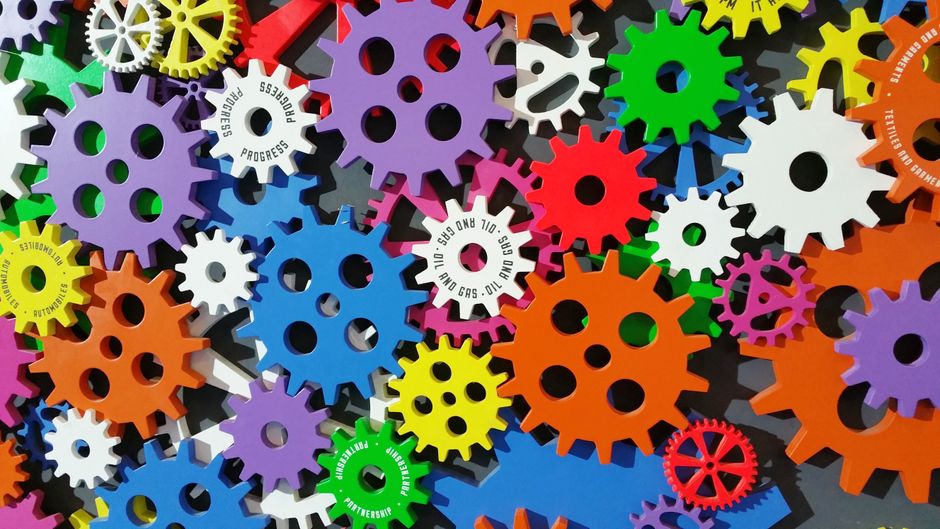
In an era dominated by rapid technological advancements, the fusion of art and technology has become a fascinating realm of exploration. This dynamic interplay not only redefines traditional artistic expression but also opens new avenues for innovation and creativity. As the lines between these two worlds blur, a new paradigm emerges, where digital and physical realities converge to craft an enriched human experience. Let's delve deeper into how this symbiotic relationship is revolutionizing our world.
The Evolution of Art through Technology
Art has always been a reflection of the times, evolving alongside human civilization. The introduction of digital technology marks a pivotal chapter in this ongoing transformation. From the Renaissance paper to contemporary computer screens, artists have continually embraced new tools to expand their creative horizons. Digital software, 3D printing, and virtual reality have unleashed an unlimited reservoir of artistic potential, allowing artists to craft intricate designs that were once inconceivable.
With the advent of digital tools, artists can now explore multiple dimensions in their work. Graphic tablets, design software like Adobe Creative Suite, and virtual brushes enable creations that transcend traditional means. The shift from analog to digital has not only broadened the possibilities for artists but also democratized the art world, making it more accessible to aspiring creators globally.
The Role of Artificial Intelligence in Art
Artificial Intelligence (AI) is at the forefront of technological innovation, and its impact on art is profound. Through machine learning algorithms, AI can analyze vast amounts of data, drawing patterns and insights that human creators may overlook. AI can generate entire artworks, from music compositions to visual art installations, pushing the boundaries of what we traditionally consider human creativity.
AI-driven art platforms like DeepArt and Google's DeepDream experiment with neural networks to produce surreal imagery that challenges the definition of art. While AI-generated art may spark debates about originality and authenticity, it undeniably enriches the creative landscape by providing artists with novel tools to augment their craft.
Virtual Reality: A New Canvas for Artists
Virtual Reality (VR) offers an immersive experience that transforms content consumption into active participation. For artists, VR is not merely a tool but a new canvas where users can step inside art, experiencing it from within rather than observing from a distance. This shift encourages interaction, drawing audiences into a multi-dimensional narrative.
In environments like virtual galleries and interactive storytelling platforms, artists have the opportunity to reshape audience engagement. VR's ability to simulate real-world experiences creates a space for innovative storytelling, fostering a deeper emotional connection between creator and viewer.
The Rise of Digital Art Marketplaces
Digital technology has revolutionized how artworks are bought and sold, giving rise to digital art marketplaces. Platforms such as ArtStation, DeviantArt, and NFT (Non-Fungible Token) markets have completely altered the dynamics of art commerce. Artists can now reach a global audience, bypass traditional gatekeepers, and engage directly with collectors.
The burgeoning popularity of NFTs has redefined digital ownership, allowing artists to tokenize their works, ensuring authenticity and rarity in a digital format. This new economic model not only benefits artists financially but also challenges conventional art valuation methods, prompting a re-evaluation of the art market structure.
Conclusion: A Convergence of Creativity
As art and technology continue to intersect, the horizon expands beyond imagination, nurturing a collaborative future where creativity meets innovation. This convergence challenges and enriches our perceptions, spawning a renaissance of sorts in the digital age. Through technological tools, artists are empowered to push creative boundaries while preserving the essence of human touch and vision.
In essence, the marriage of art and technology fuels a new era of artistic exploration, wherein the only limits are those of our imagination. Embracing this evolution not only propels the art world forward but also enriches our connection with creations that mirror the complexity and beauty of both art and technology combined.
Leave a Reply