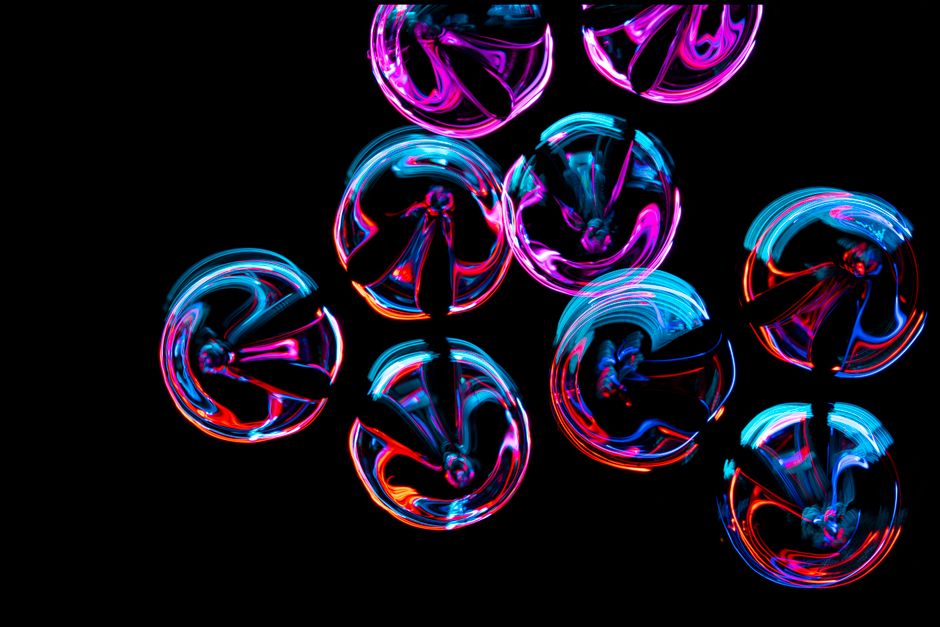
Visual experimentation is an extraordinary realm where creativity knows no bounds and innovation takes center stage. As we traverse through this digital age, the significance of visual experimentation has become more pronounced, influencing areas from art and design to marketing and user experience. This article delves deep into this exciting concept, exploring its nuances, methodologies, and impact on various fields.
Understanding Visual Experimentation
Visual experimentation refers to the process of exploring and experimenting with different visual elements to create something novel or improve existing designs. This practice is not limited to just one domain but is a versatile approach utilized extensively across various industries. It involves playing with colors, shapes, textures, and forms to craft compelling visuals that capture attention and communicate messages effectively.
The Role of Technology in Enhancing Visual Experimentation
In recent years, technological advancements have dramatically transformed the landscape of visual experimentation. Tools such as virtual reality (VR), augmented reality (AR), and artificial intelligence (AI) have opened up new possibilities for creators. These technologies allow for immersive experiences and provide designers with the ability to visualize end products in real-time, fostering a more interactive and engaging approach to experimentation.
Application in Art and Design
Visual experimentation is a cornerstone in the fields of art and design, where artists and designers are constantly breaking traditional boundaries to bring fresh perspectives. It's a playground for testing new ideas and techniques. From digital illustrations to interactive installations, visual experimentation pushes the envelope, enabling creators to forge new paths and set trends in the creative industry.
Marketing and Brand Development
Marketers are increasingly leveraging visual experimentation to craft distinctive brand identities and create compelling campaigns. By experimenting with various visuals, brands can develop unique identities that stand out in a crowded market. This approach aids in finding what resonates best with audiences, whether it’s through the vibrant use of color schemes, innovative layouts, or engaging multimedia content.
Enhancing User Experience Through Visual Experimentation
The role of visual experimentation is pivotal in enhancing user experience (UX). Designers often engage in rigorous testing of visual elements to refine user interfaces and ensure they are intuitive and aesthetically pleasing. By experimenting with different visual components, designers can optimize their designs for better usability, ensuring both functionality and appeal are seamlessly integrated.
Challenges and Future Prospects
Despite its numerous benefits, visual experimentation comes with its set of challenges. The rapid pace of technological change and the need for constant innovation can be daunting. Additionally, ensuring that novel visual experiments are accessible and inclusive to all users is essential. However, the future of visual experimentation looks promising with continuous advancements in technology, which will only expand its potential and reach.
Conclusion
Visual experimentation stands as a testament to human creativity and technological progression. Its influence spans across a multitude of fields, driving innovation and enhancing communications. By adopting an exploratory approach, professionals can unlock new opportunities for creativity, engagement, and brand development. As we continue to embrace technological advancements, the scope for visual experimentation grows exponentially, promising an exciting future for those willing to push the boundaries of visual creativity.
Leave a Reply