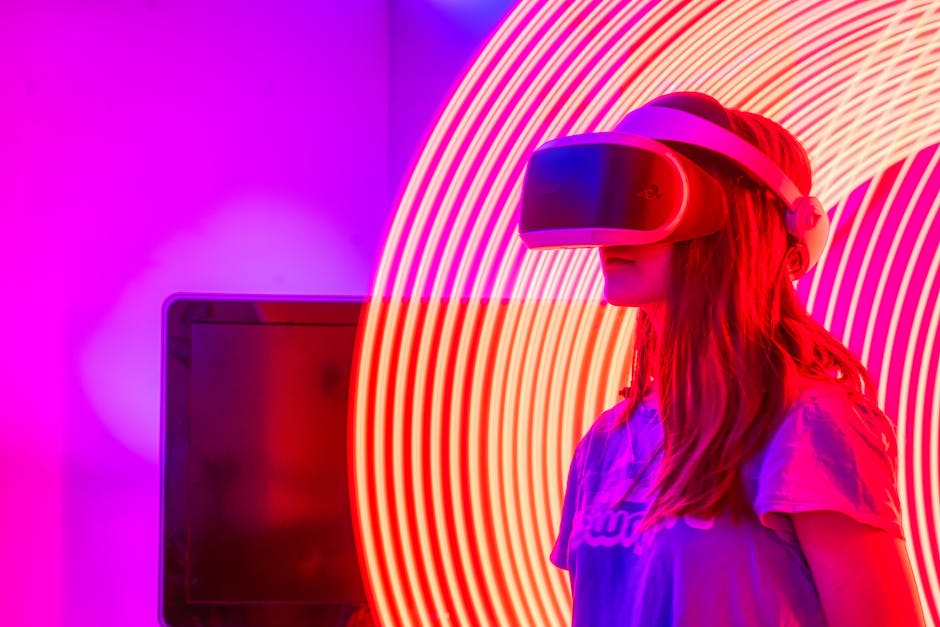
In today's digital age, interactive media design stands at the forefront of technological innovation, bridging the gap between creators and users through engaging and immersive experiences. As businesses and individuals increasingly demand sophisticated user interfaces and content delivery methods, understanding the core components of interactive media design is more important than ever.
What is Interactive Media Design?
Interactive media design encompasses the creation of digital environments where users can engage with content dynamically. It combines technology, art, and communication, aiming to produce systems that respond to user actions in meaningful ways. From websites and mobile apps to video games and virtual reality, interactive media designers focus on crafting tailored experiences that heighten user engagement.
The Role of User-Centered Design
User-centered design (UCD) is a fundamental pillar of interactive media. It prioritizes the needs, preferences, and behaviors of users throughout the design process. Designers conduct extensive research, user testing, and prototyping to ensure that the final product is intuitive and meets user expectations. By placing users at the heart of the design, creators can develop solutions that are not only functional but also enjoyable to use.
Essential Tools and Technologies
The landscape of interactive media design is populated with a diverse array of tools and technologies. Individuals in this field typically employ software like Adobe Creative Suite for graphic design and prototyping, alongside coding languages such as HTML, CSS, JavaScript, and frameworks like React or AngularJS for web-based projects. Additionally, game engines like Unity or Unreal Engine play a crucial role in the development of immersive 3D environments.
The Importance of Visual Storytelling
Visual storytelling is a powerful technique in interactive media, offering a means to communicate complex ideas quickly and effectively. Designers use visuals, animations, and transitions not only to captivate users but to guide them through a narrative journey. This narrative approach helps in building emotional connections, making the experience memorable and ensuring users return.
Challenges in Interactive Media Design
Despite its many advantages, interactive media design faces its share of challenges. One significant hurdle is ensuring accessibility across various devices and platforms, given the diverse technological landscape. Designers must also navigate the balance between creativity and usability—producing aesthetically pleasing interfaces that do not compromise functionality or user experience. Lastly, keeping pace with rapidly evolving technology and user expectations requires perpetual learning and adaptation.
The Future of Interactive Media Design
The future of interactive media design is both promising and compelling. As technologies like augmented reality (AR) and artificial intelligence (AI) continue to evolve, designers will have new opportunities to create even more engaging and personalized experiences. Moreover, the shift towards remote communication has increased the demand for virtual and interactive content, leading to innovations in how digital narratives are developed and consumed.
Conclusion
Interactive media design is a dynamic discipline that plays a pivotal role in shaping how we communicate and interact in the digital realm. By focusing on user-centered principles, leveraging advanced tools, and mastering visual storytelling, designers can craft experiences that are not only functional but also deeply engaging. As technology continues to advance, the field of interactive media design is poised to expand its influence, driving innovation and creativity in the digital world. Whether you're a seasoned designer or a curious novice, understanding the core elements of this discipline is key to staying ahead in an ever-changing landscape.
Leave a Reply