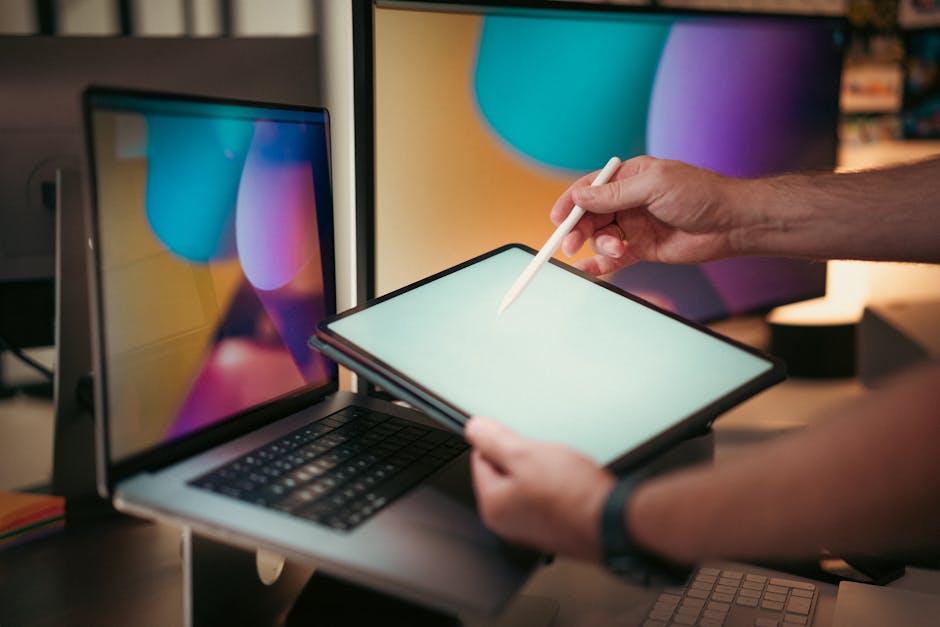
In the age of digital transformation, creativity has found a powerful ally in technology. Digital creativity platforms are reshaping how artists, designers, and creators express their ideas. These platforms offer a dynamic space for innovation, allowing creators to push boundaries like never before. Let's delve into how digital creativity platforms are changing the landscape of artistic expression and what they mean for creators today.
What is a Digital Creativity Platform?
Digital creativity platforms are software or online tools that provide a digital canvas for creating, editing, and sharing creative content. They encompass various applications, from graphic design software and video editing tools to music production suites and storytelling apps. Adobe Creative Cloud, Canva, and Procreate are a few examples of these platforms that have captured the imagination of creators worldwide.
The Rise of Digital Artistry
The rise of digital technology has democratized creativity, making it accessible to anyone with a computer or smart device. Gone are the days when creating high-quality art required expensive tools and materials. With digital creativity platforms, aspiring artists can access a wide array of tools and resources at their fingertips. This accessibility has empowered a new generation of creators to explore their talents and share their work with global audiences.
Key Features Driving Innovation
Digital creativity platforms come equipped with features that facilitate creative expression. Powerful editing tools allow for precision and versatility, providing creators with the ability to experiment and iterate without constraints. These platforms often include libraries of templates, assets, and effects, enabling users to enhance their projects effortlessly. Additionally, the integration of artificial intelligence in some platforms offers innovative functionalities such as image recognition, automation, and smart cropping, streamlining and elevating the creative process.
Collaboration in the Cloud
One of the standout advantages of digital creativity platforms is their cloud-based nature, which fosters collaboration among creators worldwide. Teams can work together on projects in real-time, from different locations, and on various devices. This collaborative aspect has transformed how creative teams operate, allowing for seamless communication and feedback, which enhances the quality of the final product. Cloud connectivity also ensures that projects are saved securely and can be accessed from anywhere, providing peace of mind and flexibility for creators on the go.
The Intersection of Creativity and AI
Artificial intelligence is playing an increasingly significant role in digital creativity platforms. AI tools can assist in generating ideas, suggesting edits, or even creating content from scratch. For example, AI-driven design software can automatically generate layout suggestions based on the user's input, making the creative process more intuitive and efficient. This collaboration between human creativity and artificial intelligence opens new horizons in artistic expression.
Challenges and Considerations
As digital creativity platforms continue to evolve, they also bring challenges to the forefront. The rapid pace of technological change requires creators to constantly update their skills and adapt to new tools, which can be overwhelming. Additionally, the question of originality arises, as creators must navigate the fine line between inspiration and imitation when leveraging pre-made templates and AI-generated content. Maintaining a unique artistic voice amidst a sea of digital tools is an ongoing challenge for modern creators.
The Future of Digital Creativity
The future of digital creativity platforms looks promising, as technological advancements and user demands drive continuous innovation. Virtual and augmented reality are poised to play a larger role in creative platforms, offering immersive experiences that redefine how we engage with art. Additionally, as these platforms become more intuitive and user-friendly, they will continue to empower individuals of all skill levels to express themselves creatively.
In conclusion, digital creativity platforms are a testament to the incredible possibilities that arise when technology meets art. By providing accessible and versatile tools for creators across the globe, these platforms are not only reshaping the creative landscape but also fostering a vibrant and diverse community of artists. As technology evolves, so too will the potential for digital creativity, offering exciting prospects for both current and future generations of creators.
Leave a Reply