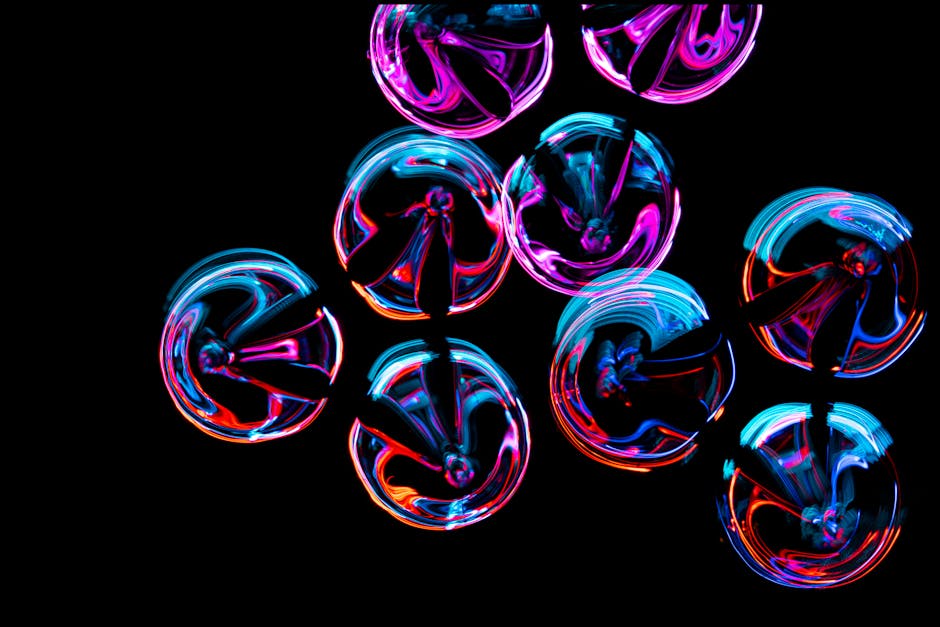
In the ever-evolving landscape of design, visual experimentation stands out as a powerful catalyst for creative breakthroughs. It offers designers and artists an opportunity to push boundaries, explore uncharted territories, and inject fresh perspectives into their work. In this article, we will delve into the concept of visual experimentation, explore its impact, and uncover strategies to harness its potential effectively.
What is Visual Experimentation?
Visual experimentation involves the deliberate manipulation of elements like color, form, texture, and composition to explore new design possibilities. It’s about venturing beyond the conventional to discover innovative ways of self-expression and communication. By leveraging tools, techniques, and imagination, designers can create visually arresting work that challenges the status quo.
The Role of Visual Experimentation in Design
In design, visual experimentation holds a prominent role. It encourages a departure from the ordinary, paving the way for originality. Through experimenting with the visual components, designers can arrive at unexpected solutions, address complex design challenges, and captivate audiences in novel ways.
Visual experimentation also serves as a sandbox for testing ideas without constraints. It allows for trial and error, where ideas can be refined dynamically. This flexible approach is integral to refining concepts, ensuring robust and effective design outcomes.
Techniques for Effective Visual Experimentation
1. **Diverse Inspiration Sources**: Begin by gathering a variety of inspiration sources. Whether it’s nature, architecture, or digital media, exposure to diverse stimuli broadens creative horizons and informs the experimentation process.
2. **Embrace New Tools and Technologies**: Incorporating the latest design tools and software can open up new avenues for exploration. Techniques like 3D modeling, augmented reality, and generative design can add depth and dimension to visual experiments.
3. **Collaborative Experimentation**: Engaging with a community or team can foster a collaborative exchange of ideas, leading to richer experimental outcomes. Brainstorming sessions and workshops encourage shared creativity and diverse perspectives.
4. **Iterative Process**: Adopt an iterative approach to design. Regularly revisit and revise experiments, allowing room for growth and refinement. Each iteration is an opportunity to evolve closer to the desired outcome.
5. **Documentation and Reflection**: Keep a record of your experimentation processes and outcomes. Reflecting on what worked and what didn’t can provide insights and inform future projects.
The Impact of Visual Experimentation on Audience Engagement
Visual experimentation can significantly enhance audience engagement. By presenting audiences with unexpected visuals, designers capture attention and evoke emotional responses. The novelty and creativity gleaned from these experiments resonate with viewers, creating memorable experiences that distinguish brands and messages from the competition.
Moreover, visual experimentation fosters an interactive dialogue between creator and audience. It encourages viewers to interpret and engage with content, stimulating curiosity and discussion. This engagement can translate into lasting connections and brand loyalty.
Overcoming Challenges in Visual Experimentation
While visual experimentation is rich with potential, it is not without challenges. Designers may encounter creative blocks or failure during experiments. However, embracing these setbacks as learning opportunities is crucial. Resilience and perseverance are key to navigating the uncertainties that accompany innovative exploration.
Additionally, balancing creativity with functionality is essential. While experimentation invites innovation, ensuring that outcomes are practical and align with project goals is vital. This balance ensures that experiments not only capture interest but also serve their intended purpose effectively.
Conclusion: Embracing the Power of Visual Experimentation
In summary, visual experimentation is an indispensable tool in the designer's arsenal. It propels design forward by breaking traditional norms and unveiling unforeseen possibilities. By embracing creativity and experimentation, designers can craft unique, impactful visual narratives that stand out in a crowded digital world. Remember to constantly explore, innovate, and iterate — the journey of visual experimentation is as important as the destination.
Leave a Reply