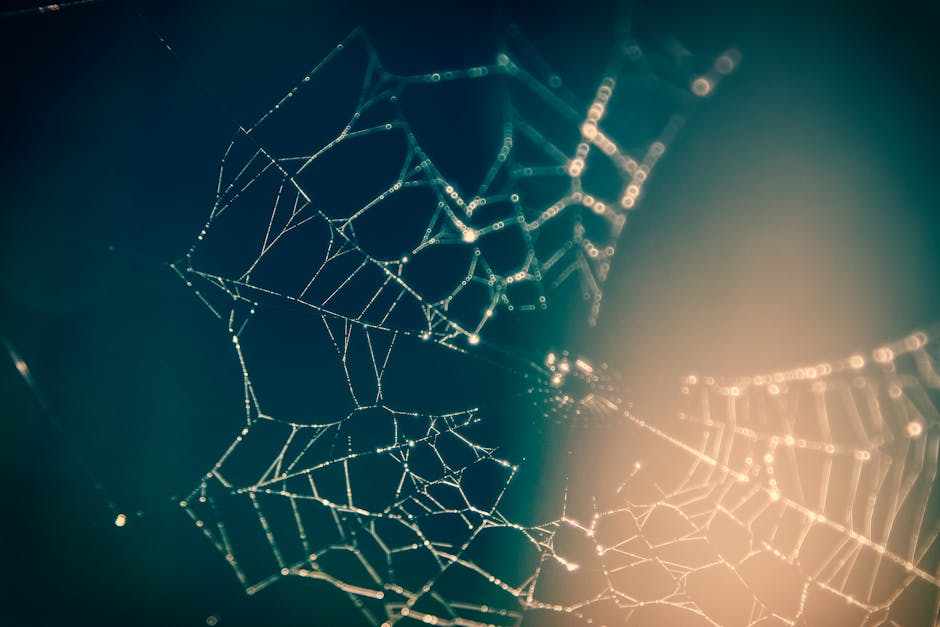
As the digital landscape continues to evolve at a breathtaking pace, so too do the design philosophies that shape our online experiences. Among the most intriguing and cutting-edge developments in web design is the rise of the "modern abstract web," an approach that disrupts traditional norms with its artistic flair and unexpected functionality. In this article, we will explore the essence of the modern abstract web, uncovering how it transforms aesthetics and user engagement.
Understanding the Modern Abstract Web
The modern abstract web represents a design paradigm that focuses on blurring the boundaries between art and technology, fostering a harmonious blend of creativity and usability. It champions the idea that web design should not only serve functional requirements but also inspire, captivate, and evoke emotions. This movement often involves the use of geometric shapes, unconventional color schemes, dynamic layouts, and imaginative interactions to create an immersive online environment.
Key Characteristics of Abstract Web Design
Abstract web design breaks away from the rigid constraints of traditional approaches by introducing several defining characteristics. Firstly, it embraces minimalism, prioritizing clean lines and ample white space to emphasize key design elements. Additionally, designers often employ asymmetry, crafting unexpected compositions that capture attention and lead users through a visual narrative.
Color palettes in abstract web design lean towards bold and striking choices, often taking inspiration from nature or vibrant art movements. Transitioning from one section to another may involve fluid animations, providing a seamless user journey that feels intuitive yet refreshingly unpredictable. This design approach essentially turns the website into a canvas, open to interpretation and engagement.
Impact on User Experience
The modern abstract web isn't just about making a bold visual statement; it profoundly influences how users interact with content. By focusing on aesthetic appeal, it aims to leave a lasting impression, encouraging users to explore and spend more time on the site. The unique design features stimulate curiosity, turning passive visitors into active participants in the web experience.
However, the abstract nature of this design style presents challenges for user navigation, which traditional design conventions usually address. Balancing creativity with accessibility is crucial, ensuring that the website remains intuitive and easy to navigate, even as it pushes aesthetic boundaries. Successful abstract web design melds the avant-garde with a clear understanding of user behavior and expectations.
Implementing Abstract Design in Your Web Projects
For designers and developers looking to incorporate abstract elements into their own projects, it's essential to maintain harmony between artistic expression and functionality. Start by setting clear objectives for user engagement and overall functionality. Break away from uniform grid systems and experiment with layering, overlapping elements, and integrating unexpected 3D effects or animations.
Assess your brand's identity and how it aligns with abstract aesthetics. For some brands, a completely abstract approach may resonate, offering a unique way to convey their message, while for others, incorporating select abstract elements could enhance the brand without diluting its core message.
Conclusion: The Future of Abstract Web Design
As digital environments become increasingly immersive, the modern abstract web offers a paradigm shift in how we experience online content. This creative approach breaks free from conventional design restraints, encouraging both designers and users to engage in a more dynamic and interactive web journey. While the abstract web may not suit every brand, its principles can inspire innovation across diverse digital landscapes.
In conclusion, as we stand on the brink of a new era in web design, embracing the modern abstract web can lead to transformative online experiences that captivate and inspire, paving the way for future evolution in digital creativity.
Leave a Reply