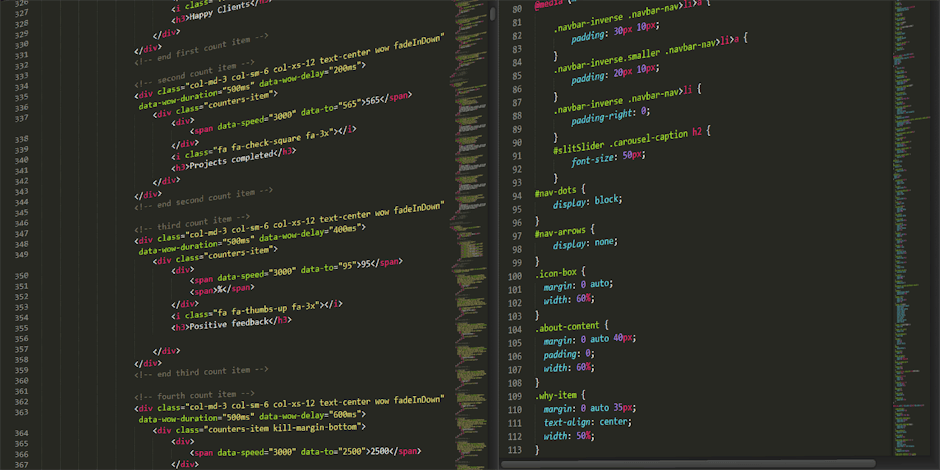
The digital landscape is an ever-evolving realm where technological advances pave the way for innovative creativity. Among these innovations are experimental web projects—pioneering initiatives that challenge conventional norms and rewrite the rules of web design and functionality. These projects not only showcase the possibilities of modern tech but also inspire future trends in web development. In this article, we will delve into the intriguing world of experimental web projects, exploring what defines them, their significance, and some notable examples that have reshaped our online experiences.
What Defines an Experimental Web Project?
Experimental web projects are distinctive by their nature of challenging the status quo. Unlike traditional websites designed with defined objectives, such as e-commerce or content delivery, experimental projects focus on exploring new concepts in design, interaction, and technology. They often serve as testing grounds for cutting-edge technologies like augmented reality (AR), artificial intelligence (AI), and advanced animation techniques. These projects stretch the boundaries of what is technically and artistically possible on the web, prompting the industry to reflect on emerging capabilities and their broader applications.
Why Are Experimental Web Projects Important?
In an age dominated by templated website designs, experimental projects are essential because they fuel innovation. They encourage developers and designers to think outside the box, fostering an environment of creativity and exploration. This is crucial for driving growth within the tech industry, offering insights into user engagement and interaction that conventional sites may overlook. Additionally, these projects often lead to the development of new tools and frameworks that later become mainstream, influencing the larger ecosystem of web development.
Notable Examples of Experimental Web Projects
The Infinite Scroll Art Experience
The Infinite Scroll Art Experience redefines user interaction with digital art using the simple concept of infinite scrolling. Instead of traditional galleries where art is viewed piece-by-piece, this project allows users to experience art in a continuous flow, challenging perceptions of space and time. Leveraging HTML5 and JavaScript, it creates a seamless journey through art, pushing the boundaries of how digital content can be experienced.
CodePen's Interactive Playgrounds
CodePen's interactive playgrounds are a haven for developers eager to experiment with front-end development in real-time. These web-based environments provide immediate feedback, allowing coders to fine-tune their creative ideas effortlessly. By enabling experimentation with CSS, JavaScript, and HTML, CodePen has become an essential platform for developers exploring the capabilities of web technologies.
Voice Command Websites
Voice command integration on websites is an emerging area of exploration, making web navigation more accessible and interactive. Projects utilizing voice command functions demonstrate how websites can transcend traditional mouse and keyboard interactions. These initiatives not only enhance accessibility for users with disabilities but also present a futuristic approach to web interaction, paving the way for further developments in virtual assistants and voice-based technologies.
Challenges Faced by Experimental Web Projects
While experimental web projects are at the forefront of innovation, they also face significant challenges. Scalability is often a concern, as the unique features present in experimental sites can increase complexity and reduce performance. Additionally, cross-browser compatibility and user acceptance are ongoing hurdles, requiring meticulous testing and optimization to ensure wide usability.
The Future of Experimental Web Projects
The trajectory of experimental web projects is poised for growth, with advancements in AI, AR, and machine learning promising more sophisticated and immersive web experiences. As technology continues to evolve, these projects will likely serve as archetypes for future mainstream web practices. Stakeholders invested in digital innovation will increasingly look to these experimental endeavors for inspiration, encouraging further collaboration and iteration within the tech community.
Conclusion: Inspiring the Next Generation of Web Development
In conclusion, experimental web projects are not mere novelties; they are vital catalysts driving creativity and progress in web development. By challenging norms and pushing the limits of technology, these projects inspire not only new ways of thinking but also tangible innovations that shape the future of the digital world. Whether it’s engaging user interfaces, novel UX functions, or groundbreaking applications of emerging tech, experimental web projects are indispensable to the ongoing evolution of the internet. As we look forward, the insights gleaned from these experiments will continue to pave the way for the next generation of web development.
Leave a Reply