In today’s digital era, a progressive web design goes beyond just images and content. It shapes the way users interact with your website, directly impacting their experience and your brand’s perception. Whether you’re an entrepreneur, a digital marketer, or a curious web enthusiast, understanding the nuances of innovative web design can be a game-changer. Let's explore how ground-breaking design could redefine your online presence.
Embracing Minimalism for Impact
An increasing number of web designers are turning to minimalism as a design strategy. By reducing clutter and focusing on essential elements, minimalist web design enhances user engagement and improves functionality. This approach not only makes navigation intuitive but also significantly boosts load times. Clean layouts and strategic use of white space allow essential information to shine while maintaining a sophisticated aesthetic.
Utilizing Responsive Design
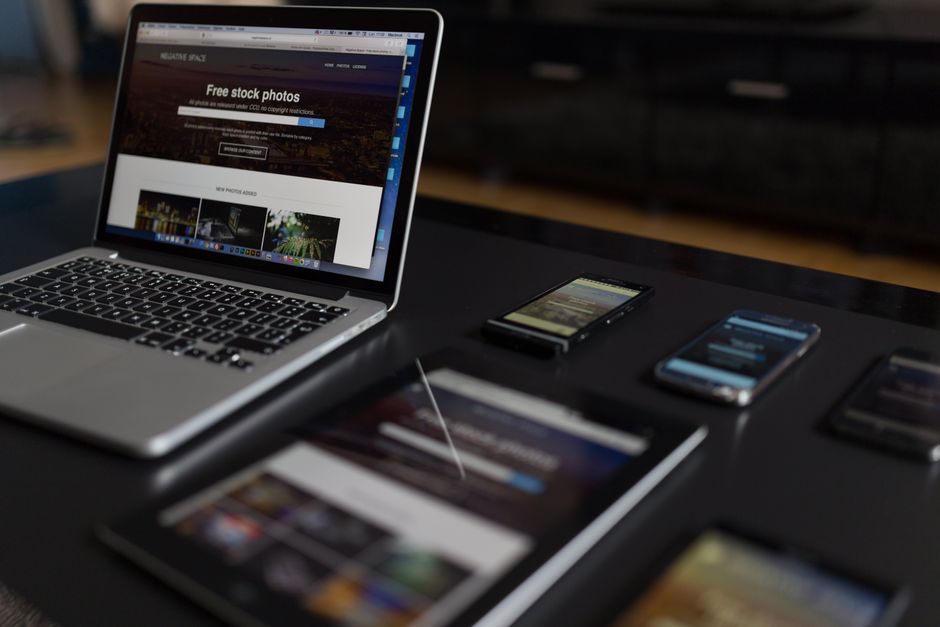
The pivotal role of multi-device usage in browsing underscores the necessity for responsive design. Innovative web design ensures that websites retain efficiency and elegance across various devices and screen sizes. Responsive design adapts layout and content dynamically, offering consistency to users on desktops, tablets, and smartphones. This not only enhances user experience but also positively affects SEO rankings. Google and other search engines now prioritize mobile-friendly sites, making responsive design an indispensable aspect of modern web design strategies.
Integrating Advanced Interactivity
Interactivity is transforming the way users perceive and engage with web content. Innovative web designers employ elements such as animations, micro-interactions, and dynamic content to create an engaging user journey. These interactive components captivate users' attention and encourage them to explore your website further. Innovations like immersive scrolling, interactive product catalogues, and personalized content recommenders can drastically enhance user engagement and conversion rates.
Emphasizing User-Centric Design
At the heart of any innovative design lies a deep understanding of the target audience. User-centric design emphasizes creating empathy-driven, tailored experiences by collecting and analyzing user data. By prioritizing users’ needs and preferences, designers can create intuitive navigation paths, relevant content, and accessible interfaces that resonate with visitors. A user-centric approach not only builds trust and loyalty but also drives goal conversions by aligning the web design with users’ expectations.
Leveraging Artificial Intelligence
Artificial Intelligence (AI) is revolutionizing web design by personalizing user experiences and automating complex processes. AI-driven tools can analyze user behavior, predict preferences, and dynamically customize content to better meet individual needs. From chatbots providing real-time support to intelligent content recommendations, AI technologies are optimizing the way users interact with websites. Such innovations not only enrich user experiences but also streamline content management and enhance overall site efficiency.
Conclusion
The landscape of web design is constantly evolving, with innovation at its core. By embracing minimalist aesthetics, responsive layouts, interactive components, user-centric design, and AI advancements, businesses and developers can create a compelling online experience that stands out in the digital realm. These innovative web design strategies not only enhance user engagement but also strengthen brand presence, leading to sustained success in the competitive online arena. As you explore these strategies, remember that the key lies in staying agile and adapting to emerging trends, ensuring your website remains at the forefront of digital innovation.
Leave a Reply