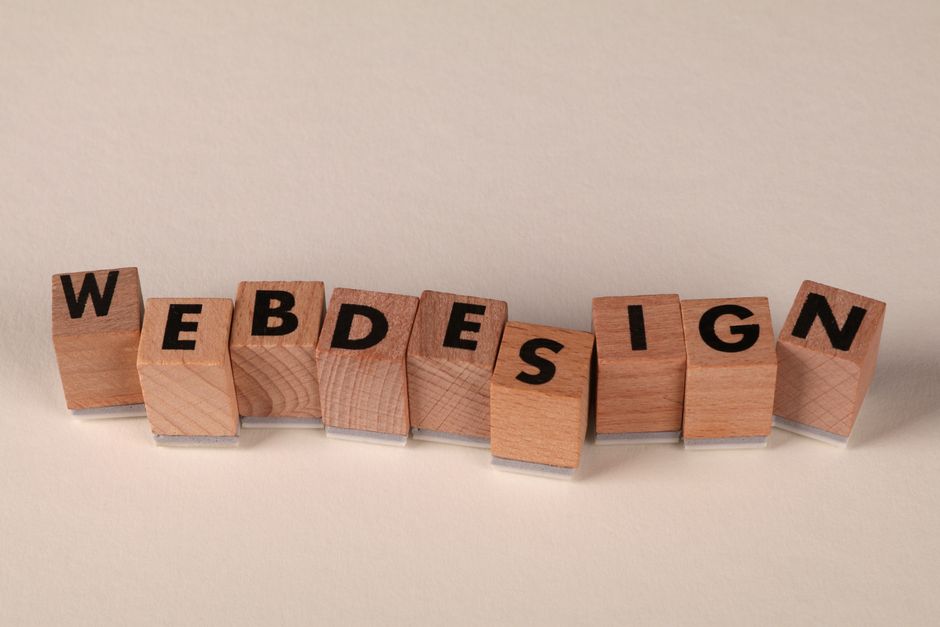
The minimalist web concept is not just a design trend; it’s a movement that aligns with user-centric principles and sustainable digital practices. As our digital landscape becomes more cluttered, adopting a minimalist approach to web design can provide a breath of fresh air for both website creators and users. But what exactly is minimalist web design, and why is it gaining so much traction? Let's dive into the details.
What is Minimalist Web Design?
Minimalist web design embraces simplicity, functionality, and aesthetics by reducing a website to its essential elements. This concept focuses on removing non-essential components and emphasizing only the critical aspects that add value to the user’s experience. Minimalism in web design often involves generous white space, clean lines, a limited color palette, and an intuitive navigation system that enhances user engagement by avoiding distractions.
The Core Principles of Minimalism
At its heart, minimalist web design is about more than just an aesthetic choice; it is about function and clarity. The core principles include simplicity, which ensures that users can navigate the site quickly; focus, which directs attention to the most important content; and balance, which harmonizes various design elements for a cohesive look. These principles help in creating a website that is both visually appealing and highly functional.
Why Minimalism Matters: User Experience and Speed
One of the primary reasons for the popularity of minimalist web design is the enhanced user experience it offers. With fewer elements on the page, users find it easier to navigate, leading to reduced cognitive load and faster information retrieval. This streamlined experience can significantly reduce bounce rates and improve user satisfaction. Additionally, minimalist sites load faster due to their lightweight design, which is increasingly important for users who value speed and efficiency.
SEO Benefits of Minimalist Web Design
Minimalist web design can also positively impact your site’s SEO performance. By creating a clutter-free web environment, search engines can more easily crawl and index your site, improving its ranking. Minimalism promotes the use of clean and semantic HTML, which enhances accessibility and readability for both users and search engines. Moreover, faster site speeds—a common trait of minimalist design—are a crucial metric for SEO, as search engines favor websites that load quickly and provide good user experiences.
Sustainability and Digital Responsibility
In an era where digital sustainability is becoming a necessity, minimalist web design offers an eco-friendly solution by reducing the resources required to load pages. The reduction in bandwidth consumption leads to lower energy use and a decreased carbon footprint, aligning with global sustainability efforts. By adopting minimalist web practices, developers and businesses can contribute to a greener internet while providing a positive user experience.
Challenges and Considerations
Despite its many advantages, minimalist web design comes with its own set of challenges. Designing with minimal elements requires creativity and precision, as every element must justify its place on the page. Designers must also ensure that the simplicity does not compromise functionality or mislead users. Effective minimalist design requires a deep understanding of user needs and a strong emphasis on usability and accessibility.
How to Transition to Minimalist Design
For businesses and designers considering a shift to minimalist web design, it’s crucial to start with comprehensive planning and strategic goal-setting. Begin by identifying the core purpose and elements of your website. Focus on user-centric content and intuitive navigation. Collaborate with experienced designers who understand minimalist principles and can align them with your brand objectives. Test rigorously to ensure usability and functionality are maintained even after decluttering the site.
Conclusion: The Future is Minimal
The minimalist web concept is more than just a passing trend; it represents a shift towards a more user-friendly, efficient, and sustainable digital environment. By simplifying web design, businesses not only enhance user experience but also achieve better SEO outcomes and contribute to digital sustainability. As we continue to face an overload of information online, embracing minimalism may be the key to standing out and providing true value to users.
Leave a Reply