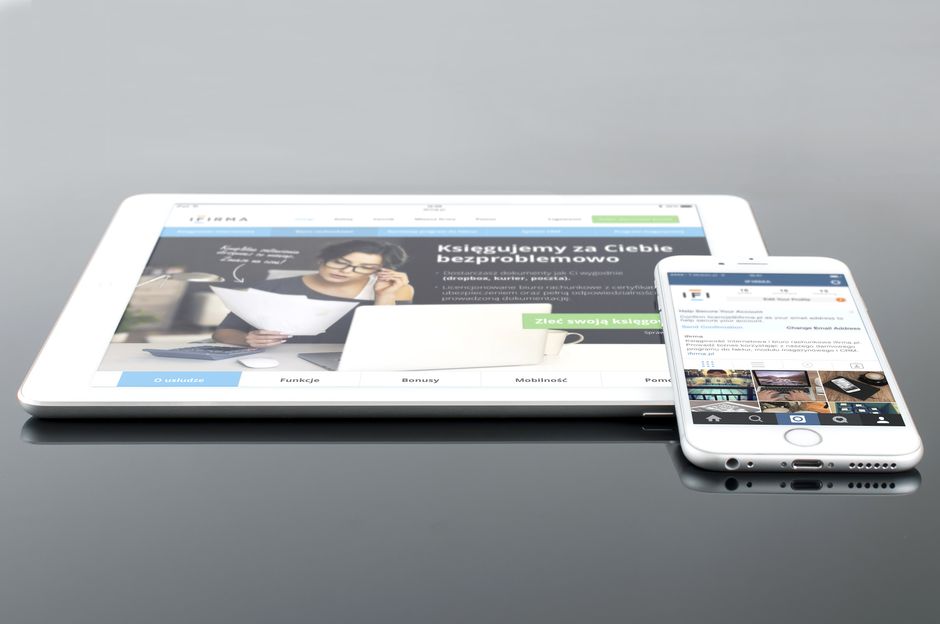
In the digital age, the design of web interfaces plays a pivotal role in user engagement and satisfaction. A well-crafted, innovative web interface not only draws users but ensures they keep returning. In this article, we will explore the various ways innovative web interfaces are revolutionizing user experience.
Streamlined Navigation
One of the primary elements of an innovative web interface is the simplification of navigation. Users value their time and want to find information swiftly. Enhanced navigation features like breadcrumb trails, intuitive menus, and responsive design lower the learning curve, allowing users to move seamlessly from one part of the site to another. These navigation improvements reduce bounce rates and increase user interaction.
Interactive Elements
The integration of interactive elements has become a cornerstone for modern web interfaces. Features such as clickable buttons, sliders, and hover effects make web pages more engaging. These elements help users interact more dynamically with the content, turning passive scrolling into active engagement. For instance, a website that showcases products might allow users to rotate images or instantly access detailed specifications, enhancing their shopping experience.
Personalization and Customization
Innovative web interfaces are increasingly embracing personalization to cater to individual preferences. Personalization allows websites to offer content, recommendations, or settings tailored to individual users. This is achieved using advanced data analytics and machine learning algorithms that predict user behavior and preferences. A user-friendly interface might remember a user's previous visits, display content similar to their past interests, or even allow interface customization to suit individual tastes.
Voice User Interfaces
With the rise of voice-activated technologies like Amazon Alexa and Google Assistant, integrating voice user interfaces (VUIs) into web design is becoming more commonplace. VUIs enable users to navigate websites, search for information, or perform actions by speaking instead of typing, offering a hands-free experience that is particularly beneficial for users with accessibility needs. This innovation diversifies how users can interact with digital content, making it more inclusive.
Minimalism and Aesthetics
A clean and aesthetically pleasing design is essential for an innovative web interface. Minimalism—characterized by ample white space, bold typography, and a focus on essential content—helps prevent user overload and makes web interfaces more appealing. This less-is-more approach, inspired by brands like Apple, ensures that users can focus on the core message without unnecessary distractions.
Enhanced Mobile Experience
With an increasing number of users accessing the web via mobile devices, optimizing the mobile experience has become non-negotiable. Modern web interfaces must be responsive and adaptable to screen sizes, ensuring functionality across all devices. Features like faster load times, touch-friendly navigation, and simplified layouts contribute to a seamless mobile experience, catering to on-the-go users.
Integration of Augmented Reality
The use of augmented reality (AR) in web interfaces is a game-changer, providing users with immersive experiences directly from their browsers. Whether it’s trying on virtual clothes or visually placing furniture in their home, AR enhances the user interaction by adding a new dimension to the interface exploration. This innovative approach not only fascinates users but also provides them with practical solutions, bridging the gap between digital and tangible experiences.
Conclusion
Innovative web interfaces are not static; they continually evolve with technological advances and changing user expectations. From streamlined navigation and interactive elements to voice user interfaces and AR integration, these innovations provide users with unique and tailored experiences. As technology progresses, we can anticipate even more groundbreaking developments that will continue to reshape web interaction, setting new standards for digital engagement. As designers and developers focus on these innovative trends, they ensure that web interfaces remain user-centric, efficient, and captivating for all audiences.
Leave a Reply