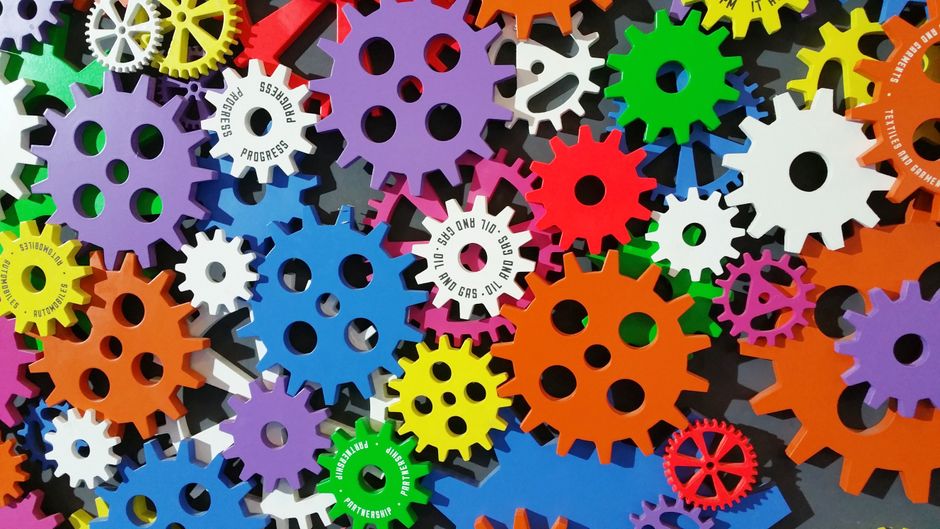
In the modern era, the intersection of art and technology is reshaping the way we create, experience, and interpret art. This fusion has not only enhanced artistic expression but has also democratized the art world, making it accessible to a broader audience. In this article, we delve into the dynamic relationship between art and technology, exploring how these fields are intertwining to pave the future of creativity.
The Evolution of Art in the Digital Age
The digital revolution marked a turning point for artists, offering new mediums and tools for creativity. From digital painting to 3D modeling, technology has expanded the horizon for artistic expression. Artists are no longer limited to traditional brushes and canvases; they can now use tablets, styluses, and sophisticated software to bring their visions to life. This evolution has not only transformed the methods of creation but has also introduced new genres like digital installations, virtual reality art, and interactive exhibits that engage audiences in unprecedented ways.
Technological Tools Transforming Artistic Practice
Today's artists have an arsenal of technological tools at their disposal. Software like Adobe Photoshop and Illustrator revolutionizes graphic design and digital illustration. Meanwhile, platforms such as Unity and Blender enable the creation of immersive 3D environments. Furthermore, artificial intelligence is becoming an integral part of artistic practice, allowing machines to generate art based on algorithms. This blend of human creativity and machine efficiency is leading to groundbreaking forms of art that challenge our perceptions and push boundaries.
The Rise of Augmented and Virtual Reality
Augmented reality (AR) and virtual reality (VR) are reshaping the landscape of art exhibitions and experiences. Museums and galleries around the world are leveraging these technologies to offer interactive and immersive experiences. Visitors can now delve into a painting to explore the artist's world, or walk through a virtual gallery from the comfort of their home. These technologies not only enhance engagement but also make art education more accessible, breaking geographical and financial barriers.
The Role of Technology in Preserving Art
Technology is playing a crucial role in the preservation and restoration of art. High-resolution imaging, 3D scanning, and digital archiving are essential tools for conservators. These technologies help in the analysis and documentation of delicate works, ensuring that future generations can enjoy them. Furthermore, blockchain technology is being explored for provenance tracking and the protection of intellectual property, offering transparency and security in the art market.
Art in the Era of Social Media
Social media platforms have democratized art by providing artists with direct access to a global audience. Artists can showcase their work, connect with fans, and sell pieces without relying solely on traditional galleries or auction houses. Platforms like Instagram and TikTok have given rise to a new generation of digital artists who leverage viral trends and challenges to gain visibility. This shift not only empowers artists to find their niches but also fosters diverse and inclusive artistic communities.
Challenges and Ethical Considerations
While technology offers immense possibilities, it also presents challenges and ethical questions. The advent of AI-generated art raises questions about authorship and originality. As technology blurs the line between human and machine creations, society must consider how to attribute and value these works. Additionally, the environmental impact of digital technologies, such as the energy consumption of extensive server farms, calls for sustainable practices in the tech-art realm.
Conclusion
The harmonious marriage of art and technology is driving creativity into new realms, offering limitless opportunities for innovation. By embracing these developments, we can ensure that art continues to inspire, challenge, and enrich our lives. Future artists and technologists alike need to navigate this evolving landscape thoughtfully, balancing technological advances with cultural and ethical considerations to cultivate a vibrant and inclusive creative ecosystem.
Leave a Reply