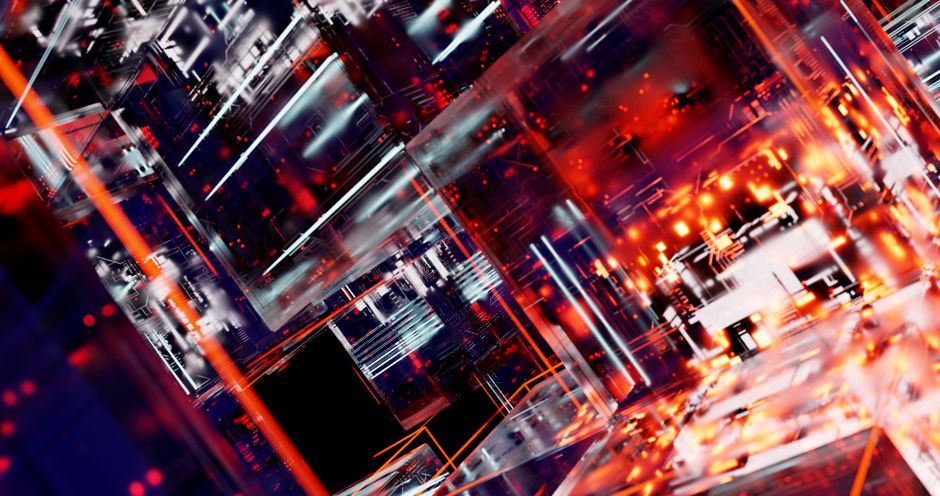
In the rapidly advancing landscape of technology and creativity, an intriguing concept called "cybernetic art space" is emerging at the intersection of art and technology. This blend of disciplines offers a novel platform for artists, technologists, and audiences alike to experience art in unprecedented ways. But what exactly defines a cybernetic art space, and why is it gaining traction now more than ever?
Understanding the Basics of Cybernetics in Art
Cybernetics, a field pioneered in the late 1940s, primarily involves the study of systems that can self-regulate through feedback mechanisms. When this concept is applied to art, it creates dynamic, interactive, and often immersive works that respond to viewers or environmental stimuli. In simple terms, cybernetic art blurs the line between creator and audience, allowing for interaction and participation.
The cybernetic art space thus becomes a dedicated environment where such artworks are not only displayed but also experienced. It serves as a realm where digital technology, robotics, computer algorithms, and sensors are utilized to create responsive art.
The Components of a Cybernetic Art Space
A cybernetic art space is an ecosystem that combines various components to facilitate interaction and engagement. Here’s how:
1. **Interactive Installations**: These are art pieces that require viewer intervention to complete or change the artwork, often using motion sensors, touch, or even biometric feedback to alter visuals, sounds, or both.
2. **Algorithmic Creations**: Artists employ computer algorithms to produce visuals and sounds that evolve over time or in response to audience engagement, creating a non-static experience.
3. **Augmented Reality (AR) and Virtual Reality (VR)**: Through the use of AR and VR technologies, cybernetic art spaces can extend beyond physical boundaries, providing virtual landscapes or augmentations to existing reality.
4. **Artificial Intelligence (AI)**: AI can drive creative evolution in art, adapting and learning from interactions to create unique expressions over multiple viewings.
The Impact of Cybernetic Art Spaces
The rise of cybernetic art spaces is stimulating both the art and tech communities. Here are some implications:
– **Redefining Audience Engagement**: Traditional art often involves passive viewing. Cybernetic art, however, requires active participation, redefining engagement by placing the audience in the center of the creative process.
– **Accessibility and Inclusivity**: Through technological accessibility, these spaces make art more inclusive, allowing individuals with disabilities to interact with and appreciate art in new ways.
– **Education and Innovation**: By merging disciplines, cybernetic art spaces encourage educational opportunities and foster innovation. They offer glimpses into future tech possibilities and spark interdisciplinary collaborations.
– **Challenging Traditional Art Norms**: By introducing technology into the art scene, cybernetic art challenges the conventions of traditional art forms, expanding the scope of what art can be.
Challenges and Considerations
No innovation is without its challenges. Cybernetic art spaces face several hurdles:
– **Technical Limitations**: The sophistication of technology sets boundaries on what is currently feasible, with high costs and maintenance being significant concerns.
– **Audience Adaptation**: For many, experiencing art in such a high-tech manner may be daunting or unappealing, requiring a shift in perception of what art entails.
– **Authenticity and Originality**: As machines play a larger role in creative processes, questions arise concerning authorship and the authenticity of art.
Conclusion: The Future of Cybernetic Art Spaces
Cybernetic art spaces are at the forefront of evolving how we perceive, interact with, and create art. While challenges remain, the potential for expanding the artistic landscape is immense. By integrating feedback loops and interactive elements, these spaces offer dynamic environments that evolve with technology and creativity. As we continue to incorporate more digital innovations into our lives, the possibilities for cybernetic art spaces seem limitless — crafting a future where art and technology exist in harmonious exploration.
Leave a Reply