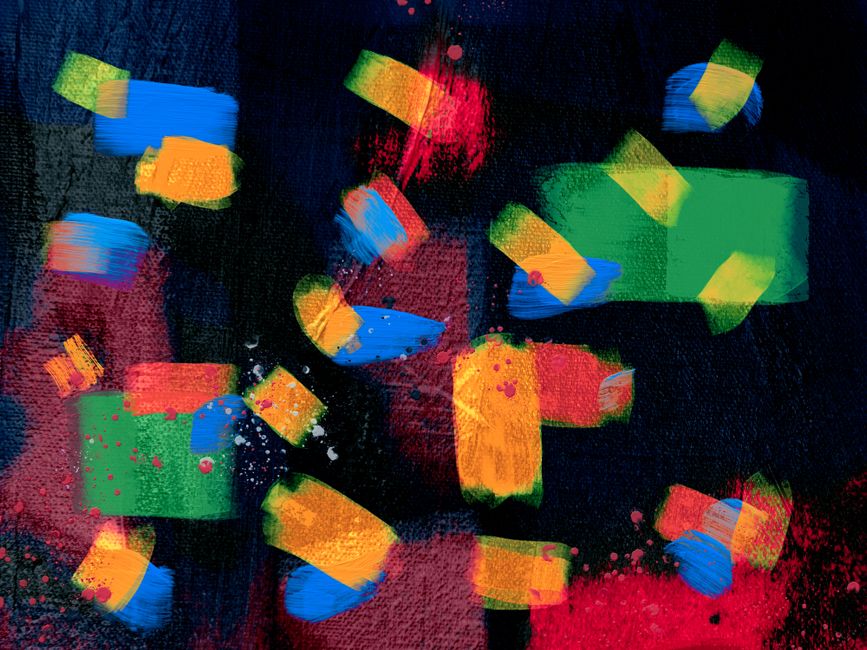
In the expansive realm of visual arts, abstract digital art emerges as a captivating and dynamic genre that continuously pushes the boundaries of creativity and technology. This rapidly evolving form harnesses the limitless possibilities of digital mediums to create imagined landscapes of color, form, and texture. But what exactly defines abstract digital art, and why has it garnered such attention in our digital age?
Understanding Abstract Digital Art
Abstract digital art refers to artworks created using digital technology where visual elements like shapes, colors, and lines are used to create compositions independent of the visual references found in the physical world. This form eschews traditional representational forms, opting instead for a non-objective approach that evokes emotion, movement, and ideas. Artists leverage software tools to manipulate images, infrastructure, and thought, yielding unique pieces that captivate audiences globally.
The Evolution of Digital Tools
The genesis of abstract digital art can be traced back to the early days of computer graphics. As technology evolved, so did the tools available to artists. From early vector graphics to today's sophisticated software programs like Adobe Creative Suite and Corel Painter, these tools allow artists to experiment with textures, layers, and colors effortlessly. The advancement in virtual reality and augmented reality technologies has also begun influencing the creation and exhibition of abstract digital pieces, adding an immersive dimension to the experience.
Key Techniques in Abstract Digital Art
A multitude of techniques define this dynamic genre, each contributing a distinct element to the abstraction. Fractal art, glitch art, and algorithmic art are predominant methodologies. Fractals use mathematical formulas to create intricate, repeatable patterns, while glitch art transforms digital errors into visual masterpieces. Algorithmic art, on the other hand, relies on computer algorithms to generate art, producing complex and efficient visual symphonies. These techniques highlight the harmonious convergence of technology and creativity, each offering new pathways for artists to explore.
The Cultural Impact of Abstract Digital Art
Abstract digital art is not merely a feast for the eyes; it is a reflection of cultural shifts and technological advancements. As our world becomes increasingly digital, this art form reflects the intricate relationship between humans and technology. It challenges viewers to interpret, find meaning in abstraction, and question the very nature of art. Furthermore, it democratizes art creation and appreciation, as it is accessible to anyone with a computer, leveling the playing field and inviting a broader community of creatives.
Abstract Digital Art in the Market
The art market has begun to recognize and embrace the significance of digital art, with platforms like SuperRare and Foundation leading the charge in offering digital and NFT-based art. This form not only represents a modern approach to art making but also proposes novel economic models for artists. The rise of NFTs (Non-Fungible Tokens) has created a new frontier for artists, offering them avenues to authenticate and monetize their work in a way previously impossible.
Challenges and Controversies
Like any pioneering genre, abstract digital art is not without its challenges and controversies. Questions about originality and authorship often arise, particularly with the use of algorithms which may generate art without named artist input. Moreover, the environmental impact of blockchain technology, integral to the NFT marketplace, has sparked debate among enthusiasts and skeptics alike.
Conclusion: The Future of Abstract Digital Art
Abstract digital art stands at the forefront of a transformative era in visual arts. As technology continues to evolve, so will the methods by which artists conceptualize and create art. The marriage of abstract art with digital technology offers an endless spectrum of possibilities, inviting both artists and audiences to indulge in a world of vivid imagination and innovation. Whether viewed in galleries, virtually, or owned as NFTs, abstract digital art transcends traditional boundaries, promising a vibrant future that will continually redefine our understanding of art.
Leave a Reply