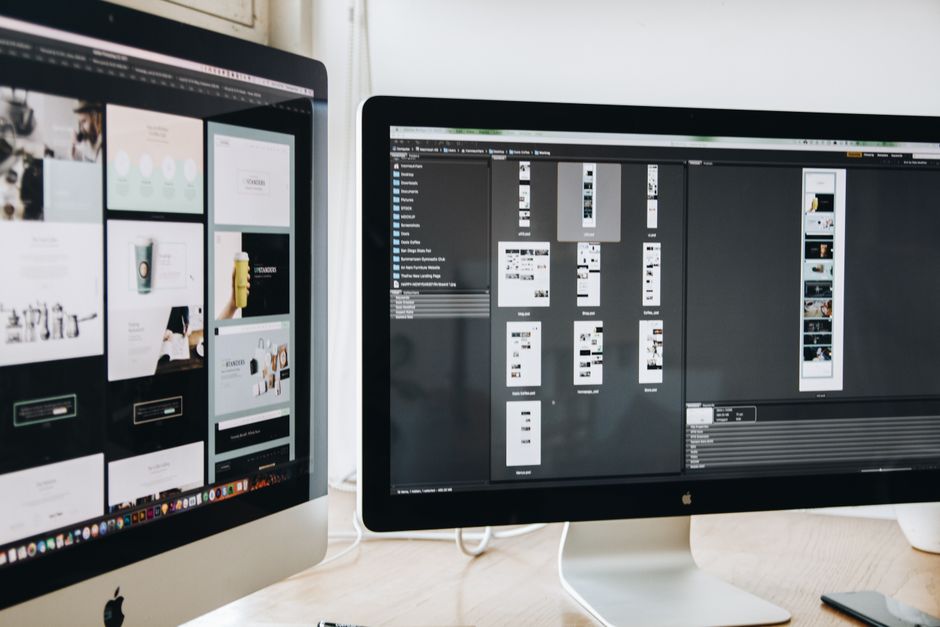
In today’s fast-moving digital world, web design is continually evolving to meet new technological standards and user expectations. Contemporary web design is at the forefront of this revolution, offering a seamless blend of innovation, functionality, and aesthetic appeal. As businesses and individuals strive to create online spaces that captivate and convert, understanding the latest trends in web design becomes crucial.
Minimalism with a Twist
In recent years, minimalism has firmly secured its place as a cornerstone of modern web design. However, contemporary minimalism is more than just a clean aesthetic. The trend now emphasizes the balance between simplicity and functionality. Websites are being crafted with fewer elements but are designed to enhance usability and navigation. The use of white space, muted color palettes, and well-chosen typography gives websites a sleek and professional look while ensuring important content stands out.
Responsive Design is Here to Stay
Responsive design is not a new concept, but it remains a critical component of contemporary web design. As mobile devices continue to dominate internet usage, ensuring that websites are optimized for all screen sizes is essential. Modern web design embraces flexible grids, adaptive images, and rigorous user testing to provide a seamless experience across desktops, tablets, and smartphones. Responsive websites not only improve user experience but also boost search engine rankings, making them a non-negotiable aspect of effective web design.
The Rise of Microinteractions
Microinteractions, those small design details that add life to websites, are becoming increasingly significant. These subtle animations can guide users, provide feedback, and make interactions more engaging. Whether it's a button that changes color when hovered over or a subtle animation indicating a task is complete, microinteractions enhance user experience by making it more intuitive and enjoyable. Designers are leveraging these small interactions to add personality and depth to websites without overwhelming users.
Dark Mode Dominance
Dark mode has taken the digital world by storm, largely due to its benefits in terms of aesthetics and battery efficiency. This trend provides users with an alternative viewing experience that is easy on the eyes, especially in low-light environments. Websites with dark mode options allow users to toggle between light and dark themes based on their preferences, enhancing accessibility and user engagement. Additionally, dark mode can offer a dramatic, sophisticated look that appeals to modern sensibilities.
The Power of Voice User Interface (VUI)
With the proliferation of voice-activated devices, voice user interfaces (VUIs) are making their mark on contemporary web design. VUIs enable users to navigate websites, perform searches, and control functions using voice commands, offering a hands-free and efficient browsing experience. This technology is particularly advantageous for accessibility, allowing users with disabilities to interact with websites more easily. As voice technology continues to advance, integrating VUIs into website design will become more prevalent.
Conclusion: Embracing the Future of Web Design
Contemporary web design is all about pushing the boundaries while keeping user experience at the center. By embracing trends such as minimalism with a functional twist, responsive design, microinteractions, dark mode options, and voice user interfaces, web designers can create stunning, user-centric websites that meet the demands of today’s digital users. As technology evolves, staying ahead of these trends will ensure that websites not only look modern but also deliver where it matters most—user satisfaction and engagement.
Leave a Reply