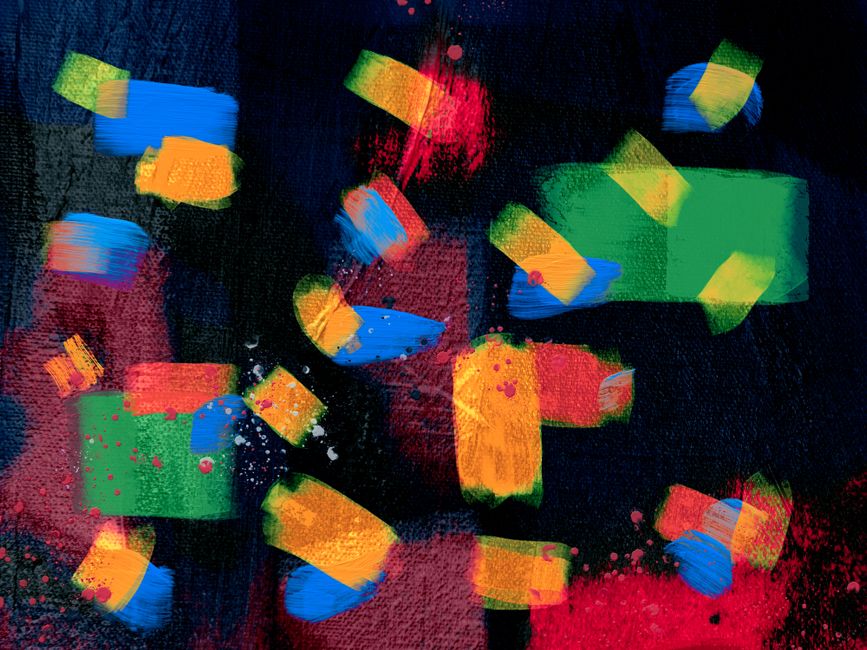
Abstract digital art is a captivating realm where creativity meets technology, offering endless opportunities for both seasoned artists and curious newcomers. With its origins rooted in the early digital explorations of the 20th century, abstract digital art has evolved into a dynamic and influential art form. This article delves into the core aspects of abstract digital art, from its distinct characteristics and tools used to create it, to its role in the broader art community.
Understanding Abstract Digital Art
Abstract digital art is a genre that emphasizes the use of digital tools and platforms to create non-representational artworks. Unlike traditional art, which might focus on imitating the natural world, this form revels in the exploration of shapes, colors, forms, and textures devoid of specific outward references. Abstract digital art encourages viewers to interpret and connect with artworks based on personal perspectives, challenging conventional boundaries and perceptions.
The Creative Process and Tools
Creating abstract digital art involves a myriad of tools and software that have revolutionized how artists express their visions. Programs like Adobe Photoshop and Corel Painter offer complex brush simulators to create intricate patterns and textures. Vector graphics editors like Adobe Illustrator and Inkscape provide scalable designs, while 3D modeling software, such as Blender, opens doors to stunning three-dimensional compositions. Mobile applications have also democratized digital creation, allowing artists to make and manipulate art anywhere.
Artists blend these tools to draft, modify, and refine their pieces, experimenting with digital techniques such as layers, filters, and effects. The process may be guided by spontaneous creativity or calculated precision, but the digital medium's inherent flexibility facilitates continuous exploration and evolution of ideas.
The Impact on the Art World
Abstract digital art has significantly reshaped the landscape of contemporary art. As technology becomes increasingly integrated into everyday life, digital art forms are garnering more attention and respect from traditional art venues. Galleries and museums now frequently feature digital installations alongside traditional paintings and sculptures, recognizing the genre's growing influence. Moreover, the rise of online platforms for showcasing and selling digital artwork has provided artists with unprecedented global reach and exposure.
The advent of NFTs (Non-Fungible Tokens) has further cemented digital art's place in the broader art economy by enabling traceable ownership, thus enhancing its legitimacy and marketability. Artists can monetize their work more easily, expand their audience, and engage in digital art communities worldwide.
Challenges Faced by Abstract Digital Artists
Despite its numerous opportunities, abstract digital art is not without challenges. The reliance on technology requires artists to be adept at using various software and staying updated with advancements. Moreover, the vastness of the digital space can lead to oversaturation, making it difficult for individual artists to stand out. Additionally, piracy and unauthorized duplication remain concerns, though innovations like blockchain seek to address these issues.
Ultimately, abstract digital artists must navigate these hurdles while maintaining the integrity and originality of their work.
The Future of Abstract Digital Art
The future of abstract digital art looks promising as technology continues to evolve and merge with artistic expression. Virtual reality (VR) and augmented reality (AR) are offering new dimensions for artists to explore, allowing for interactive and immersive experiences. As these technologies mature, they promise to transform not only how art is created but also how it is perceived and engaged with by audiences.
Conclusion
Abstract digital art represents a modern intersection of creativity and technology, providing limitless possibilities for artistic expression. Its influence on the art world is undeniable, opening new avenues for artists and art lovers alike. As digital tools advance and become more accessible, abstract digital art will undoubtedly continue to grow, inspire, and challenge our understanding of what art can be. By embracing this digital frontier, artists not only celebrate innovation but also redefine the boundaries of artistic creation.
Leave a Reply